
How to enjoy life
Good evening everyone! Tonight in my free time, I was reading an interesting piece from Eric Barker (Barking Up The Wrong Tree) about a 16th-century French philosopher named Michel de Montaigne.
Not gonna lie, Montaigne had a brutal run of bad luck. His best friend died of the plague, his father passed away from kidney stones, his younger brother got killed by a stray tennis ball, and he lost five of his six kids. On top of that, he nearly died after getting trampled by a servant on a giant workhorse.
So what did he do? He quit his job, locked himself in a tower, and started writing down every random thought in his head. In 1580, he published Essais (which translates to “attempts”). He wrote about heavy stuff like death and politics, right alongside his kidney stones, his cat, and his opinions on radishes. Basically, he invented personal blogging 400 years before Jekyll existed—just without the pop-ups asking you to subscribe.
Since I need to record a lot of stuff so I can remember it properly, here are 6 practical lessons from Montaigne on how to actually enjoy life.
1. Ask “What Do I Know?” 🤔

Montaigne’s personal motto was Que sais-je? (“What do I know?”). He lived during a time when people were literally murdering each other over religious certainty. He realized that nobody ever starts a disaster by saying, “Honestly, I could be wrong about this.”
In data science—and in life—certainty is a trap. When you stay humble and admit you don’t have all the answers, it becomes way easier to update your assumptions, change your mind when new data comes in, and apologize when you mess up.
2. Swap Bad Feelings Instead of Fighting Them 🔄
Nowadays, everyone tells you to sit with your painful emotions, dissect them, and journal about them for three hours. Montaigne had a much simpler approach: if a bad thought gets stuck in your head, distract yourself.
“Some painful idea gets hold of me; I find it quicker to change it than to subdue it… If I cannot fight it, I flee it.”
– Michel de Montaigne
Extra Example: It’s like trying to force yourself not to think about a white bear. The harder you tell your brain to stop, the more white bears show up. Instead of wrestling with a bad mood or re-reading an annoying work email ten times, go play a game, take a walk, or watch something dumb. Let the wave pass first, then deal with it later.
3. Keep a “Back Shop” 🏪

Hustle culture loves telling us to give 100% of ourselves to our work. Montaigne says: don’t give anything all of you. He wrote that we should always reserve a “back shop” entirely for ourselves—a mental space where we are completely free.
You can love your career, your partner, and your hobbies, tho you shouldn’t tie your entire identity to just one of them. Psychologists call this self-complexity. If your whole self-worth depends on one project or one job, a single bad week at the office will wreck you. Having multiple sides to your life protects you when one area takes a hit.
4. An Ordinary Life Is the Best Life ☕

Every motivational speaker wants you to “be extraordinary and change the world.” Montaigne, despite having every fancy title his century offered, disagreed. He believed the best lives are the ordinary ones—lived with order, without needing constant miracles or drama.
Think about it: if your happiness depends on extraordinary events, then 99.9% of your life just feels like boring filler. Most of our time is spent working, running errands, drinking coffee, and hanging out with the people we care about. Research on “maximizers” (people who always obsess over getting the absolute best option) shows they end up with more regret than “satisficers” (people who are happy with “good enough”). Stop benchmarking your daily life against highlight reels.
5. Savor the Good, Pass the Bad 🌿
Most of us run our attention backwards. When something annoying happens, we replay it in our heads all day. When something good happens—like a quiet morning walk or a great meal—we rush right through it while listening to a podcast or checking notifications.
Montaigne admitted his mind wandered constantly, too. When walking through an orchard, he had to actively pull his attention back to the walk and enjoy being there. His rule was simple: “Pass the bad. Hold the good.” When life is sticky and unpleasant, just get through it. When a good moment shows up, slow down and actually taste your coffee.
6. Regret Nothing (Stop Time-Travel Bullying) ⏳
Even after everything he went through, Montaigne wrote that if he had to live again, he would live the exact same way—no regrets about the past, no fear of the future.
Why? Because he judged his past decisions based on the thinking and information he had at the time, not by the outcome. A bad result doesn’t automatically mean you made a stupid choice. Present-you has hindsight that past-you didn’t have, so stop bullying your younger self for not predicting the future. Extract a one-sentence lesson from your mistake, close the file, and move on.
Conclusion: Tell Your People Tonight 💬
Montaigne learned how fragile life is when his closest friend, Étienne de La Boétie, died just four years after they met. Writing his Essays was largely his way of talking to the friend he lost.
The biggest takeaway here isn’t some grand philosophical theory. Don’t wait until your inbox is at zero or your life is completely “sorted out” to enjoy today—or to tell the people close to you that you appreciate them. There is no tidy later. Enjoy your ordinary Tuesday, and let your people know they matter tonight.
That’s all for today, folks! Thanks for reading. I’ll catch you in the next post.
“When I dance, I dance; when I sleep, I sleep.”
– Michel de Montaigne
Read next
-
 Related
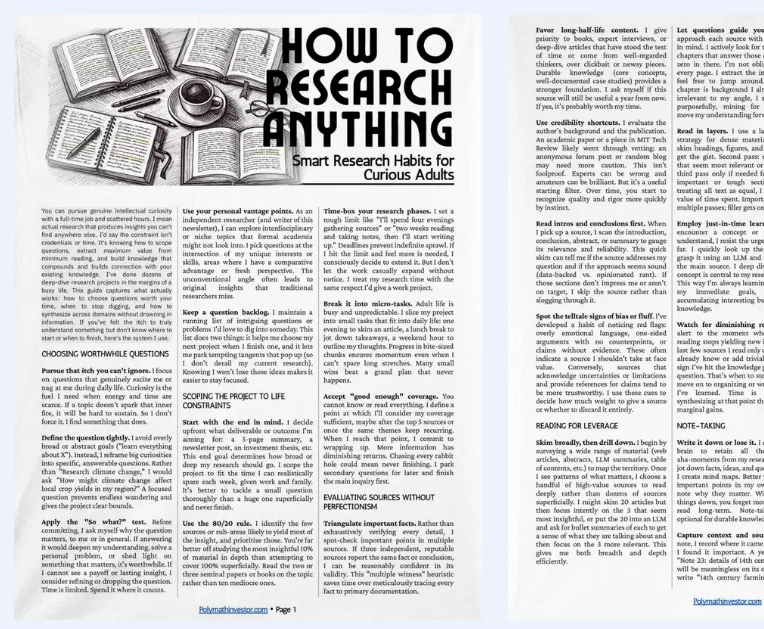
How to Research Anything (Even When You Have a Full-Time Job)You don't need a PhD or endless free time to do deep research. Here is a practical system to scope questions, filter sources, and actually finish w...
-
 More Self Improvement
Getting Things Done (GTD) with Cal NewportDavid Allen's GTD is great for clearing your head, but terrible for deep focus. Here is how Cal Newport's time-blocking and WIP limits fix it.
-
 More Self Improvement
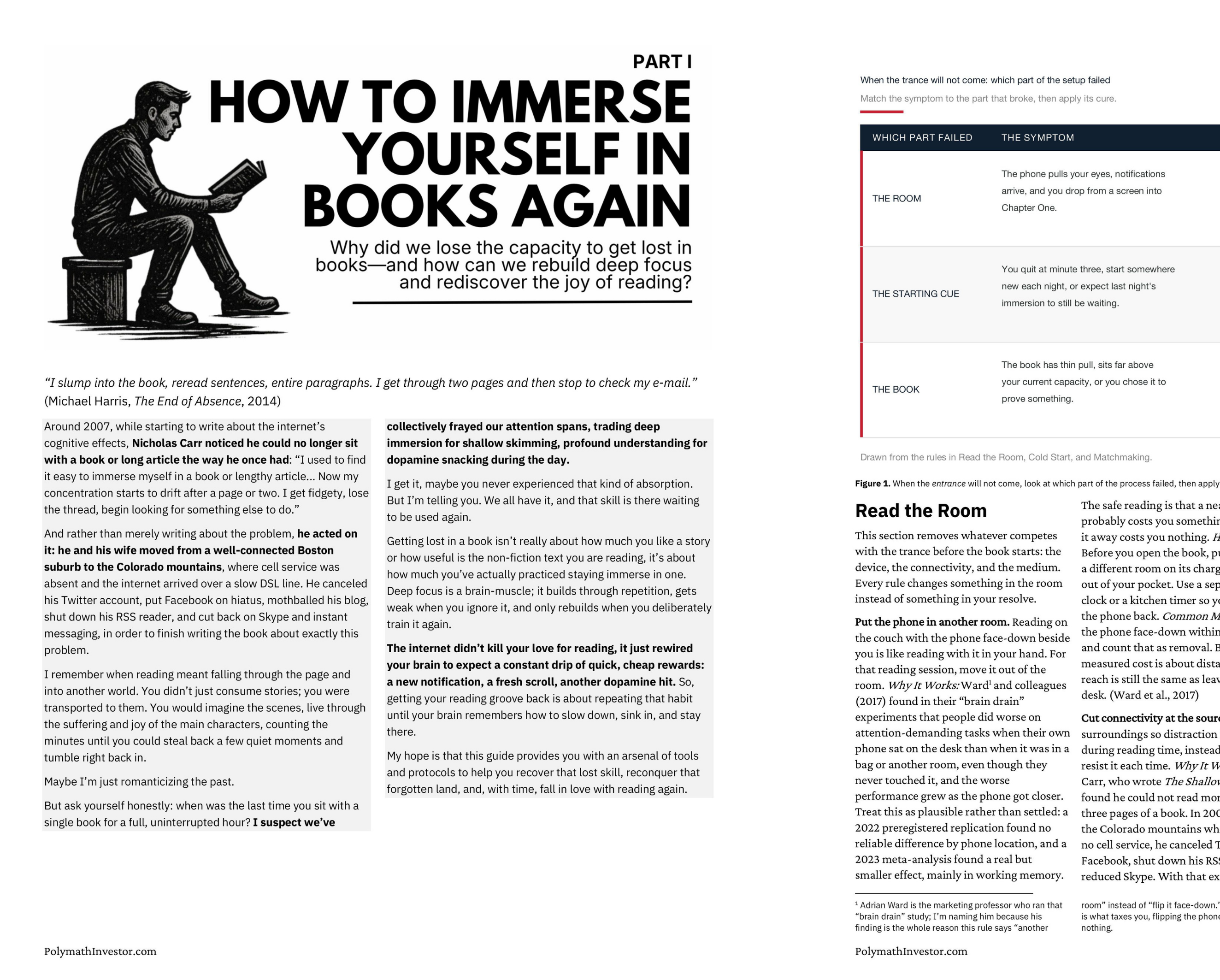
PART II: HOW TO IMMERSE YOURSELF IN BOOKS AGAINStruggling to finish a single page without checking your phone? Here is why our attention spans are fried and two dead-simple ways to fix your read...
-
More Self Improvement
How to Immerse Yourself in Books Again - Part 1Struggling to finish a single page without checking your phone? Here is why our attention spans are fried and two dead-simple ways to fix your read...
-
 More Self Improvement
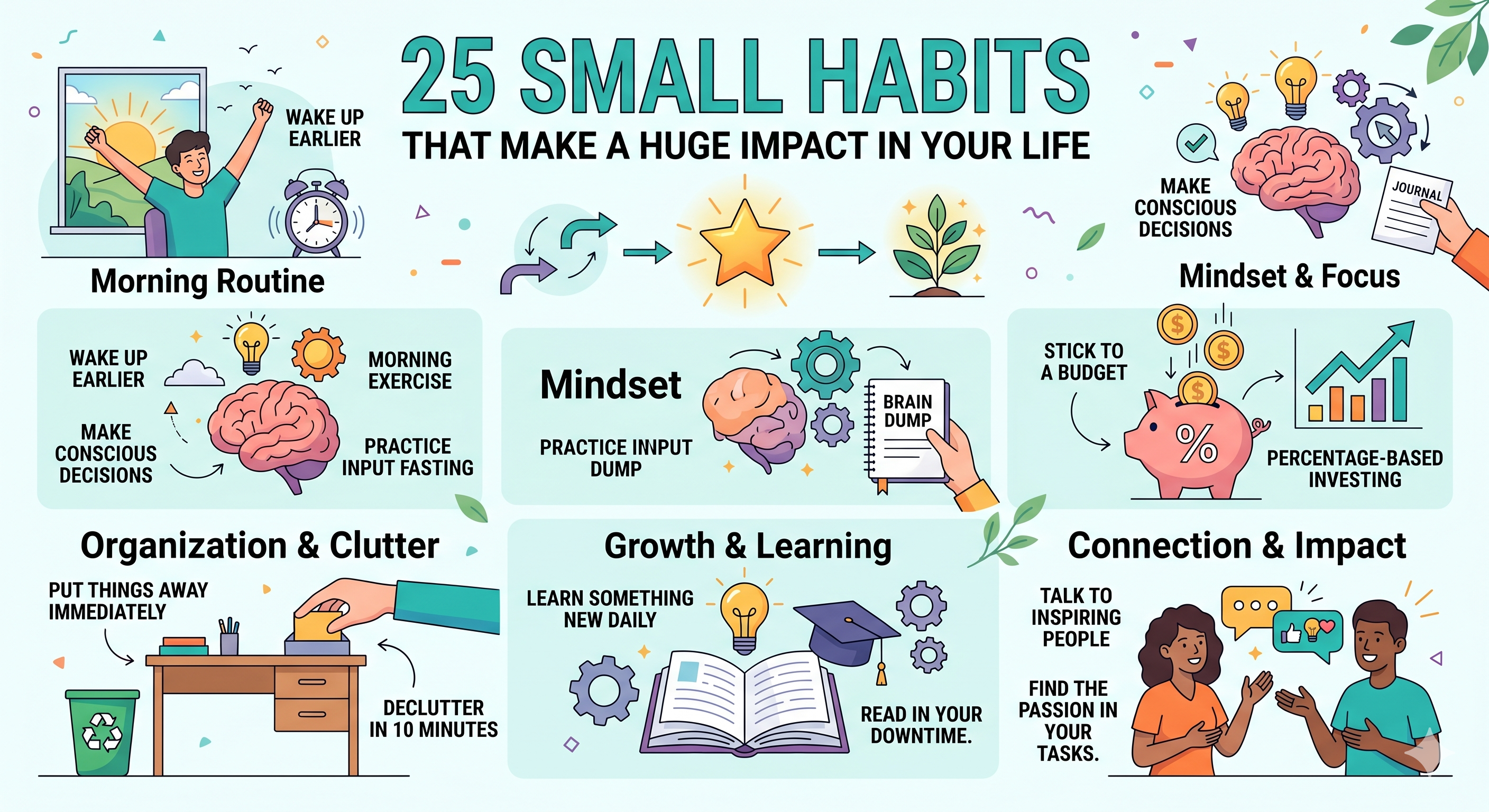
25 Small Habits That Will Make a Huge Impact on Your LifeWe all have weeks where we feel unfocused, tired, and completely unproductive. Often, we think the solution requires a massive overhaul of our live...
-
 Reader favourite
Dota 2 Patch 7.42 : Item Potency, 15-Minute Tormentors, and Day 1 Meta ShiftsDota 2 Patch 7.42 kills passive high-ground stalling, nerfs spell burst, and adds Item Potency. Here is a full breakdown plus Day 1 pick and win ra...
-
Reader favourite Predicting BBRI Stocks with Meta’s ProphetThe IHSG so shit recently not gonna lie/ Have you ever wondered how businesses predict future sales, how weather apps forecast the temperature, or ...
-
 Reader favourite
How to get your personal Dota2 DataThis is going to be a short post. This is really interesting for me personally. As a Data Scientist and avid Dota 2 player, what could be better th...
Leave a comment